




Outer Ear Infection (Otitis Externa)
Professional assessment, treatment options and prevention advice for painful outer ear infections.
Book Now
Causes, symptoms and treatment overview
About Outer Ear Infections
Outer ear infections, or otitis externa, occur when bacteria or fungi inflame the ear canal. Common triggers include water exposure, ear cleaning with cotton buds, skin conditions and minor trauma. Symptoms are ear pain, itching, swelling, redness and sometimes discharge or reduced hearing. Early assessment helps identify whether topical antibiotic or antifungal drops, steroid combinations, or simple pain control are appropriate. We explain treatment steps, show how to keep the ear dry, suggest measures to prevent recurrence, and advise when further medical or specialist referral is needed to protect hearing and resolve persistent infection.
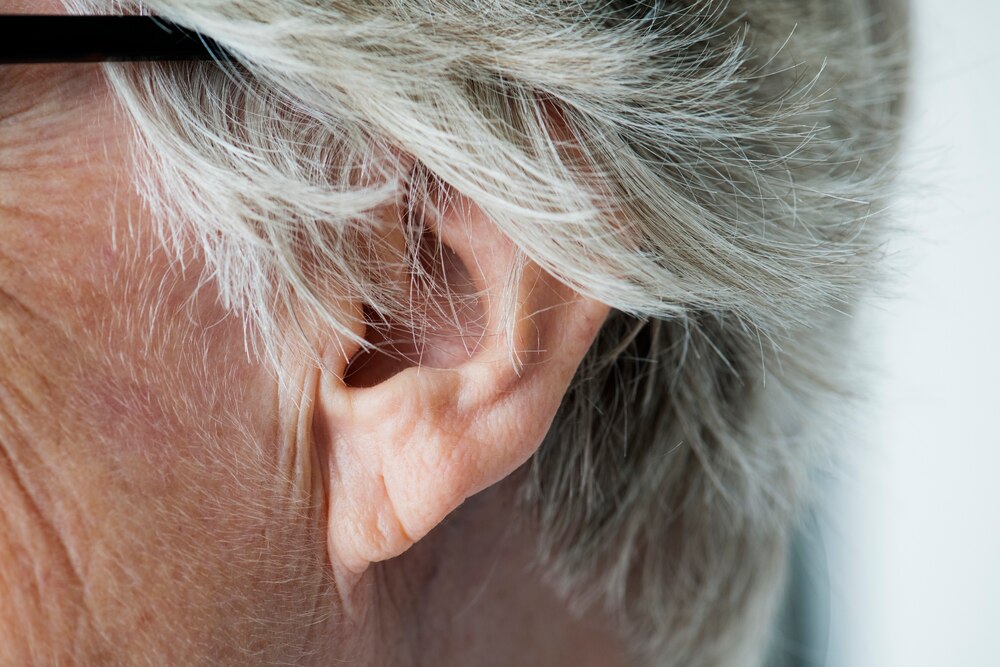
Key Points to Know
Quick facts about outer ear infections to help you recognise symptoms and understand treatment options. Most cases respond well to topical therapy and simple self-care, but some situations require oral antibiotics or specialist review.
Pain, itching, or discharge
Often linked to water exposure
Topical treatment usually effective
Keep ear canal dry
Signs that need attention
When to Seek Help
If you experience severe pain, fever, spreading redness, or significant hearing loss, seek prompt assessment. For most uncomplicated infections, topical drops clear infection within days when used correctly. Avoid inserting objects into the ear, keep the canal dry, and complete the treatment course. Book a follow-up if symptoms persist or recur.
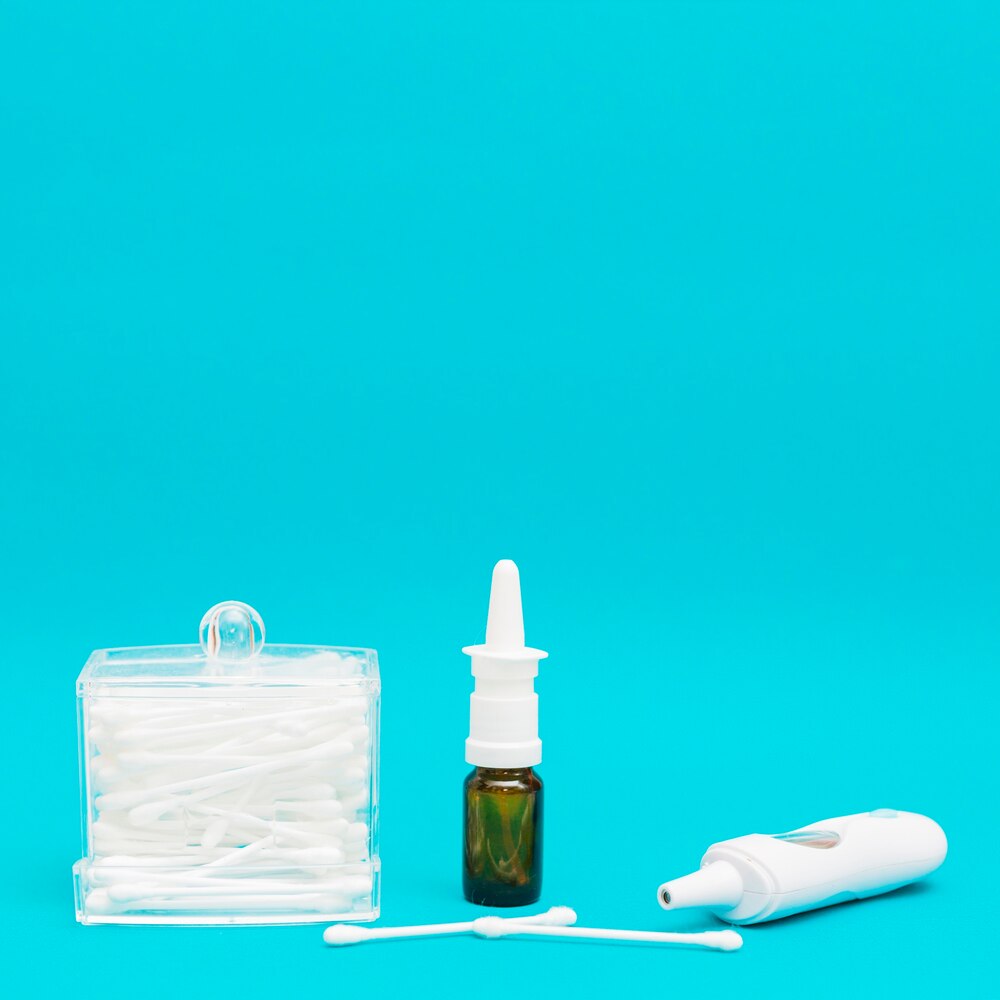
How we manage otitis externa
Treatment Approach
Treatment focuses on clearing the infection and reducing inflammation. Options include topical antibiotic or antifungal drops, steroid combinations for inflammation, ear cleaning in clinical settings if required, and analgesia for pain. Education on ear care and drying reduces recurrence risk.
Avoid water exposure
Topical drops often prescribed
Short treatment courses effective
Prevention reduces recurrence

Fast Assessment
Prompt advice to relieve symptoms quickly.
Topical Prescriptions
Appropriate ear drops prescribed when needed.
Expert Guidance
Practical prevention and follow-up recommendations.
Early care matters
Protect Your Hearing
Timely treatment prevents complications and protects hearing. If you have persistent pain, discharge or hearing changes, arrange assessment. Follow advice on ear drying and safe cleaning to reduce future infections.
Frequently Asked Questions
Common questions about outer ear infections and care
What causes an outer ear infection?
Bacteria or fungi entering the ear canal, often after water exposure, trauma, or skin conditions.
How are they treated?
Usually with topical antibiotic or antifungal drops, sometimes combined with a steroid; pain relief and ear care are important.
Can I swim with an infected ear?
Avoid swimming until the infection clears and the ear is dry to prevent worsening or recurrence.
When should I see a clinician urgently?
Seek urgent care for severe pain, fever, spreading redness, or sudden hearing loss.
How can I prevent future infections?
Keep ears dry, avoid inserting objects into the ear, and use ear protection when swimming if you are prone to infections.